Buy leadgeneration.eu ?
We are moving the project
leadgeneration.eu .
Are you interested in purchasing the domain
leadgeneration.eu ?
domain@kv-gmbh.de · 0541-91531010
Buy leadgeneration.eu ?
What are the tolerances?
Tolerances refer to the allowable deviation from a specified dimension or value in a manufacturing process. They ensure that the final product meets the required specifications and functions correctly. Tolerances are typically expressed as a range or limit within which a part or product must fall to be considered acceptable. Tighter tolerances result in higher precision but may also increase production costs. **
When are general tolerances necessary?
General tolerances are necessary when specific tolerances are not provided or required for a particular dimension or feature. They help ensure that the overall quality and functionality of a part or product are maintained within acceptable limits. General tolerances are typically used in situations where precise measurements are not critical, allowing for a more cost-effective and efficient manufacturing process. **

Similar search terms for Tolerances
Top-Angebote
Products related to Tolerances:
-
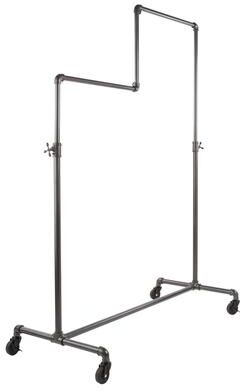
Econoco Vintage Pipeline Adjustable Rolling Garment Rack"42"" wide Hangrail - Adjusts from 44"" - 72"" in height. Base: 42-1/2""W x 23-3/8""D. Constructed of heavy duty 1 1/4"" diameter plumbing pipe in anthracite grey finish. Includes four 3"" casters, 2 locking, 2 non-locking."277,99 $*Shipping: 0,00 $Secure redirect to the provider
-
Econoco Pipeline Adjustable 2 Way Cross Bar Rack"Adjusts from 44"" - 72"" in height. Base: 21""W x 21""D with 13"" Faceouts. Constructed of heavy duty 1 1/4"" diameter plumbing pipe in anthracite grey finish. Includes four 2"" casters, 2 locking, 2 non-locking. The Pipeline collection is a uniquely..."236,99 $*Shipping: 0,00 $Secure redirect to the provider



-
What are tolerances and fits?
Tolerances and fits are important concepts in engineering and manufacturing that determine the allowable deviation in dimensions of mating parts. Tolerance refers to the acceptable range of variation in a part's dimensions, while fit describes how two parts with specified tolerances will fit together. The fit between two parts can be categorized as clearance fit, interference fit, or transition fit, depending on the relative sizes of the parts and the intended level of interference between them. Properly defining tolerances and fits is crucial for ensuring that parts will function correctly when assembled. **
-
What are fits and tolerances 2?
Fits and tolerances are a system used to control the dimensions and quality of mating parts in engineering and manufacturing. The fit refers to the degree of tightness or looseness between two mating parts, while the tolerance refers to the allowable variation in the dimensions of a part. By specifying fits and tolerances, engineers can ensure that parts fit together properly and function as intended. This system helps to minimize errors and ensure consistency in the production of mechanical components. **
-
What are form and positional tolerances 2?
Form and positional tolerances are specifications used in engineering and manufacturing to define the allowable variations in the shape, size, and position of a part or component. Form tolerances control the overall shape and surface of a part, while positional tolerances control the location and orientation of features relative to a specified reference point. These tolerances are crucial for ensuring that parts fit and function properly within an assembly, and they help to maintain consistency and quality in manufacturing processes. **
-
What are the tolerances for DHL parcels?
The tolerances for DHL parcels can vary depending on the specific service and destination. Generally, DHL allows for a weight tolerance of +/- 0.5kg for parcels. Additionally, there may be size restrictions for parcels, with dimensions typically ranging from a minimum of 15cm x 11cm x 1cm to a maximum of 120cm x 80cm x 80cm. It is important to check the specific guidelines for the type of service and destination when sending a parcel with DHL to ensure it meets the required tolerances. **


What ISO tolerances are possible when turning?
When turning, ISO tolerances ranging from IT6 to IT11 are commonly achievable. IT6 is a very tight tolerance, while IT11 is a looser tolerance. The specific tolerance that can be achieved will depend on factors such as the material being turned, the cutting tools used, and the skill of the machinist. It is important to carefully consider the required tolerances for the specific application when selecting the appropriate ISO tolerance for turning. **
What are the angular tolerances in millimeters?
The angular tolerances in millimeters are typically very small, often in the range of 0.1 to 0.5 millimeters. These tolerances are crucial for ensuring the precise alignment and fit of components in various mechanical and engineering applications. Meeting these tight angular tolerances is essential for maintaining the functionality, performance, and safety of the final product. **
Top-Angebote
Products related to Tolerances:
-
L'Oreal 16 oz Mega Moisture Nurturing Creme 16 OzL'Oreal's Mega Moisture Nurturing Creme unique formula tames unruly hair with intense moisture, making it flexible, easy to manage and able to hold your style in place. It can be used for everyday conditioning or even longer, deep conditioning,...24,19 $*Shipping: 0,00 $Secure redirect to the provider
-
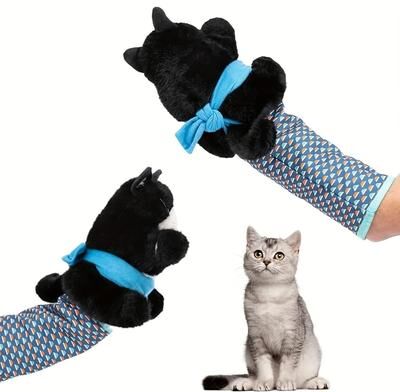
Uplifted Finds Predatory Engagement Wrestling Puppet Hub Predatory Engagement Wrestling Puppet HubTransform interactive play with the PredatoryEngagement Puppet, a professionalgrade interaction module engineered with manualsimulation logic. This highutility tool features a reinforced plush architecture and poseable limbs, specifically designed...85,97 $*Shipping: 0,00 $Secure redirect to the provider
-
Econoco Vintage Pipeline Adjustable Rolling Garment Rack"42"" wide Hangrail - Adjusts from 44"" - 72"" in height. Base: 42-1/2""W x 23-3/8""D. Constructed of heavy duty 1 1/4"" diameter plumbing pipe in anthracite grey finish. Includes four 3"" casters, 2 locking, 2 non-locking."277,99 $*Shipping: 0,00 $Secure redirect to the provider
-
What are the tolerances?
Tolerances refer to the allowable deviation from a specified dimension or value in a manufacturing process. They ensure that the final product meets the required specifications and functions correctly. Tolerances are typically expressed as a range or limit within which a part or product must fall to be considered acceptable. Tighter tolerances result in higher precision but may also increase production costs. **
-
When are general tolerances necessary?
General tolerances are necessary when specific tolerances are not provided or required for a particular dimension or feature. They help ensure that the overall quality and functionality of a part or product are maintained within acceptable limits. General tolerances are typically used in situations where precise measurements are not critical, allowing for a more cost-effective and efficient manufacturing process. **
-
What are tolerances and fits?
Tolerances and fits are important concepts in engineering and manufacturing that determine the allowable deviation in dimensions of mating parts. Tolerance refers to the acceptable range of variation in a part's dimensions, while fit describes how two parts with specified tolerances will fit together. The fit between two parts can be categorized as clearance fit, interference fit, or transition fit, depending on the relative sizes of the parts and the intended level of interference between them. Properly defining tolerances and fits is crucial for ensuring that parts will function correctly when assembled. **
-
What are fits and tolerances 2?
Fits and tolerances are a system used to control the dimensions and quality of mating parts in engineering and manufacturing. The fit refers to the degree of tightness or looseness between two mating parts, while the tolerance refers to the allowable variation in the dimensions of a part. By specifying fits and tolerances, engineers can ensure that parts fit together properly and function as intended. This system helps to minimize errors and ensure consistency in the production of mechanical components. **
Similar search terms for Tolerances
-
Econoco Pipeline Adjustable 2 Way Cross Bar Rack"Adjusts from 44"" - 72"" in height. Base: 21""W x 21""D with 13"" Faceouts. Constructed of heavy duty 1 1/4"" diameter plumbing pipe in anthracite grey finish. Includes four 2"" casters, 2 locking, 2 non-locking. The Pipeline collection is a uniquely..."236,99 $*Shipping: 0,00 $Secure redirect to the provider
-
John Blake Peaky Blinders: The Legacy - The real story of Britains most notorious 1920s gangs: The follow-up to the Sunday Times BestsellerThe Peaky Blinders as we know them, thanks to the hit TV series, are infused with drama and dread. Fashionably dressed, the charismatic but deeply flawed Shelby family have become cult anti-heroes. Well-known social historian, broadcaster and author, Carl Chinn, revealed the true story of the notorious gang in his bestselling Peaky Blinders: The Real Story and now in this follow-up book, he explores the legacy they created in Birmingham and beyond. What happened to them and their gangland rivals? In Peaky Blinders: The Legacy we revisit the world of Billy Kimber's Peaky Blinders, exploring their legacy throughout the 1920s and 30s, and how their burgeoning empires spread across the UK. Delve into the street wars across the country, the impact of the declaration of War on Gangs by the Home Secretary after The Racecourse War in 1921, and how the blackmailing of bookmakers gave way to new and daring opportunities for the likes of Sabini, Alfie Solomon and some new faces in the murky gangland underworld. Drawing on Carl's inimitable research, interviews and original sources, find out just what happened to this incredible cast of characters, revealing the true legacy of the Peaky Blinders.3,99 £*Shipping: 1,99 £Secure redirect to the provider
-
Econoco Pipeline Adjustable Double Bar Box Rack, Anthracite Grey"Base dimensions measure 48""L x 22""W. Hangrails measure approximately 60"" long and have a 1"" dia. Double hangrails adjust independently from approximately 53-1/2""H to 80""H. Base is constructed of 1-1/4"" dia. pipe."367,91 $*Shipping: 0,00 $Secure redirect to the provider
-
What are form and positional tolerances 2?
Form and positional tolerances are specifications used in engineering and manufacturing to define the allowable variations in the shape, size, and position of a part or component. Form tolerances control the overall shape and surface of a part, while positional tolerances control the location and orientation of features relative to a specified reference point. These tolerances are crucial for ensuring that parts fit and function properly within an assembly, and they help to maintain consistency and quality in manufacturing processes. **
-
What are the tolerances for DHL parcels?
The tolerances for DHL parcels can vary depending on the specific service and destination. Generally, DHL allows for a weight tolerance of +/- 0.5kg for parcels. Additionally, there may be size restrictions for parcels, with dimensions typically ranging from a minimum of 15cm x 11cm x 1cm to a maximum of 120cm x 80cm x 80cm. It is important to check the specific guidelines for the type of service and destination when sending a parcel with DHL to ensure it meets the required tolerances. **
-
What ISO tolerances are possible when turning?
When turning, ISO tolerances ranging from IT6 to IT11 are commonly achievable. IT6 is a very tight tolerance, while IT11 is a looser tolerance. The specific tolerance that can be achieved will depend on factors such as the material being turned, the cutting tools used, and the skill of the machinist. It is important to carefully consider the required tolerances for the specific application when selecting the appropriate ISO tolerance for turning. **
-
What are the angular tolerances in millimeters?
The angular tolerances in millimeters are typically very small, often in the range of 0.1 to 0.5 millimeters. These tolerances are crucial for ensuring the precise alignment and fit of components in various mechanical and engineering applications. Meeting these tight angular tolerances is essential for maintaining the functionality, performance, and safety of the final product. **
* All prices are inclusive of VAT and, if applicable, plus shipping costs. The offer information is based on the details provided by the respective shop and is updated through automated processes. Real-time updates do not occur, so deviations can occur in individual cases. ** Note: Parts of this content were created by AI.