Buy leadgeneration.eu ?
We are moving the project
leadgeneration.eu .
Are you interested in purchasing the domain
leadgeneration.eu ?
domain@kv-gmbh.de · 0541-91531010
Buy leadgeneration.eu ?
What is the privatization of prisons?
Privatization of prisons is the practice of contracting out the management and operation of prisons to private, for-profit companies. These companies are responsible for providing services such as security, food, healthcare, and rehabilitation programs for inmates. Proponents argue that privatization can lead to cost savings and increased efficiency, while critics raise concerns about profit motives influencing incarceration rates and the quality of care provided to inmates. The privatization of prisons remains a controversial issue with ongoing debates about its impact on the criminal justice system. **
What is the privatization of health insurance?
The privatization of health insurance refers to the process of transferring the responsibility for providing health insurance coverage from the government to private companies. This means that individuals and employers purchase health insurance plans from private insurers, rather than receiving coverage through a government-run program. Privatization can lead to increased competition among insurers, potentially offering more choices and flexibility for consumers. However, it can also result in higher costs and disparities in coverage, as private insurers may prioritize profits over providing affordable and comprehensive healthcare options. **


Similar search terms for Privatization
Top-Angebote
Products related to Privatization:
-
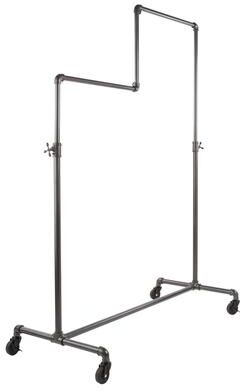
Econoco Vintage Pipeline Adjustable Rolling Garment Rack"42"" wide Hangrail - Adjusts from 44"" - 72"" in height. Base: 42-1/2""W x 23-3/8""D. Constructed of heavy duty 1 1/4"" diameter plumbing pipe in anthracite grey finish. Includes four 3"" casters, 2 locking, 2 non-locking."277,99 $*Shipping: 0,00 $Secure redirect to the provider
-
Econoco Pipeline Adjustable 2 Way Cross Bar Rack"Adjusts from 44"" - 72"" in height. Base: 21""W x 21""D with 13"" Faceouts. Constructed of heavy duty 1 1/4"" diameter plumbing pipe in anthracite grey finish. Includes four 2"" casters, 2 locking, 2 non-locking. The Pipeline collection is a uniquely..."236,99 $*Shipping: 0,00 $Secure redirect to the provider



-
Is privatization really as bad as the socialists say?
Privatization is a complex issue with both pros and cons. Proponents argue that it can lead to increased efficiency, innovation, and competition in industries previously dominated by the government. However, critics, including some socialists, argue that privatization can lead to job losses, reduced access to essential services for low-income individuals, and increased inequality. The impact of privatization can vary depending on the specific industry and the regulations put in place to ensure fair competition and access to essential services. Therefore, it is important to carefully consider the potential consequences of privatization on a case-by-case basis. **
-
Why does privatization or capitalism have such a bad reputation?
Privatization and capitalism have a bad reputation for several reasons. One reason is that they are often associated with income inequality, as they can lead to the concentration of wealth in the hands of a few individuals or corporations. Additionally, privatization can sometimes result in the loss of public services and resources, leading to concerns about the welfare of the general population. Furthermore, there are instances where privatization and capitalism have been linked to unethical business practices and exploitation of workers, which can contribute to their negative reputation. **
-
Has the privatization of the German railway been worth it?
The privatization of the German railway, known as Deutsche Bahn, has been a subject of debate. Proponents argue that privatization has led to increased efficiency and innovation in the railway sector. However, critics argue that privatization has led to higher ticket prices and reduced service quality. Ultimately, whether the privatization of the German railway has been worth it depends on one's perspective and priorities. **
-
Why does the German railway company still hold on to privatization after 30 years?
The German railway company, Deutsche Bahn, still holds on to privatization after 30 years because it believes that private ownership can bring in more efficiency, innovation, and investment. Privatization can also help the company to adapt to changing market conditions and customer needs more effectively. Additionally, it allows the company to access private capital markets for funding and reduces the burden on the government's budget. Overall, the company sees privatization as a way to improve its performance and competitiveness in the long run. **


By which realistic methods can privatization be carried out in Germany, or how can one become privatized?
Privatization in Germany can be carried out through several realistic methods. One approach is through the sale of state-owned assets to private investors or companies. Another method is through the introduction of competition in sectors that were previously monopolized by the state, such as energy or telecommunications. Additionally, the government can also offer shares of state-owned companies to the public through initial public offerings (IPOs), allowing private individuals to become shareholders and participate in the privatization process. Overall, privatization in Germany can be achieved through a combination of selling state-owned assets, introducing competition, and involving private investors and the public in the ownership of formerly state-run enterprises. **
What are realistic and unrealistic current or potential solutions against the water privatization by Nestlé in Pakistan?
Realistic solutions against water privatization by Nestlé in Pakistan could include increased government regulation and oversight of water extraction by multinational corporations, as well as community-based initiatives to protect and manage local water resources. Additionally, promoting public awareness and education about the impacts of water privatization could help mobilize support for alternative solutions. Unrealistic solutions might include completely banning Nestlé from operating in Pakistan, as this could have negative economic consequences and may not address the underlying issues of water scarcity and management. Additionally, relying solely on corporate self-regulation or voluntary measures may not be effective in ensuring sustainable and equitable access to water for all. **
Top-Angebote
Products related to Privatization:
-
L'Oreal 16 oz Mega Moisture Nurturing Creme 16 OzL'Oreal's Mega Moisture Nurturing Creme unique formula tames unruly hair with intense moisture, making it flexible, easy to manage and able to hold your style in place. It can be used for everyday conditioning or even longer, deep conditioning,...24,19 $*Shipping: 0,00 $Secure redirect to the provider
-
Uplifted Finds Predatory Engagement Wrestling Puppet Hub Predatory Engagement Wrestling Puppet HubTransform interactive play with the PredatoryEngagement Puppet, a professionalgrade interaction module engineered with manualsimulation logic. This highutility tool features a reinforced plush architecture and poseable limbs, specifically designed...85,97 $*Shipping: 0,00 $Secure redirect to the provider
-
Econoco Vintage Pipeline Adjustable Rolling Garment Rack"42"" wide Hangrail - Adjusts from 44"" - 72"" in height. Base: 42-1/2""W x 23-3/8""D. Constructed of heavy duty 1 1/4"" diameter plumbing pipe in anthracite grey finish. Includes four 3"" casters, 2 locking, 2 non-locking."277,99 $*Shipping: 0,00 $Secure redirect to the provider
-
What is the privatization of prisons?
Privatization of prisons is the practice of contracting out the management and operation of prisons to private, for-profit companies. These companies are responsible for providing services such as security, food, healthcare, and rehabilitation programs for inmates. Proponents argue that privatization can lead to cost savings and increased efficiency, while critics raise concerns about profit motives influencing incarceration rates and the quality of care provided to inmates. The privatization of prisons remains a controversial issue with ongoing debates about its impact on the criminal justice system. **
-
What is the privatization of health insurance?
The privatization of health insurance refers to the process of transferring the responsibility for providing health insurance coverage from the government to private companies. This means that individuals and employers purchase health insurance plans from private insurers, rather than receiving coverage through a government-run program. Privatization can lead to increased competition among insurers, potentially offering more choices and flexibility for consumers. However, it can also result in higher costs and disparities in coverage, as private insurers may prioritize profits over providing affordable and comprehensive healthcare options. **
-
Is privatization really as bad as the socialists say?
Privatization is a complex issue with both pros and cons. Proponents argue that it can lead to increased efficiency, innovation, and competition in industries previously dominated by the government. However, critics, including some socialists, argue that privatization can lead to job losses, reduced access to essential services for low-income individuals, and increased inequality. The impact of privatization can vary depending on the specific industry and the regulations put in place to ensure fair competition and access to essential services. Therefore, it is important to carefully consider the potential consequences of privatization on a case-by-case basis. **
-
Why does privatization or capitalism have such a bad reputation?
Privatization and capitalism have a bad reputation for several reasons. One reason is that they are often associated with income inequality, as they can lead to the concentration of wealth in the hands of a few individuals or corporations. Additionally, privatization can sometimes result in the loss of public services and resources, leading to concerns about the welfare of the general population. Furthermore, there are instances where privatization and capitalism have been linked to unethical business practices and exploitation of workers, which can contribute to their negative reputation. **
Similar search terms for Privatization
-
Econoco Pipeline Adjustable 2 Way Cross Bar Rack"Adjusts from 44"" - 72"" in height. Base: 21""W x 21""D with 13"" Faceouts. Constructed of heavy duty 1 1/4"" diameter plumbing pipe in anthracite grey finish. Includes four 2"" casters, 2 locking, 2 non-locking. The Pipeline collection is a uniquely..."236,99 $*Shipping: 0,00 $Secure redirect to the provider
-
John Blake Peaky Blinders: The Legacy - The real story of Britains most notorious 1920s gangs: The follow-up to the Sunday Times BestsellerThe Peaky Blinders as we know them, thanks to the hit TV series, are infused with drama and dread. Fashionably dressed, the charismatic but deeply flawed Shelby family have become cult anti-heroes. Well-known social historian, broadcaster and author, Carl Chinn, revealed the true story of the notorious gang in his bestselling Peaky Blinders: The Real Story and now in this follow-up book, he explores the legacy they created in Birmingham and beyond. What happened to them and their gangland rivals? In Peaky Blinders: The Legacy we revisit the world of Billy Kimber's Peaky Blinders, exploring their legacy throughout the 1920s and 30s, and how their burgeoning empires spread across the UK. Delve into the street wars across the country, the impact of the declaration of War on Gangs by the Home Secretary after The Racecourse War in 1921, and how the blackmailing of bookmakers gave way to new and daring opportunities for the likes of Sabini, Alfie Solomon and some new faces in the murky gangland underworld. Drawing on Carl's inimitable research, interviews and original sources, find out just what happened to this incredible cast of characters, revealing the true legacy of the Peaky Blinders.3,99 £*Shipping: 1,99 £Secure redirect to the provider
-
Econoco Pipeline Adjustable Double Bar Box Rack, Anthracite Grey"Base dimensions measure 48""L x 22""W. Hangrails measure approximately 60"" long and have a 1"" dia. Double hangrails adjust independently from approximately 53-1/2""H to 80""H. Base is constructed of 1-1/4"" dia. pipe."367,91 $*Shipping: 0,00 $Secure redirect to the provider
-
Has the privatization of the German railway been worth it?
The privatization of the German railway, known as Deutsche Bahn, has been a subject of debate. Proponents argue that privatization has led to increased efficiency and innovation in the railway sector. However, critics argue that privatization has led to higher ticket prices and reduced service quality. Ultimately, whether the privatization of the German railway has been worth it depends on one's perspective and priorities. **
-
Why does the German railway company still hold on to privatization after 30 years?
The German railway company, Deutsche Bahn, still holds on to privatization after 30 years because it believes that private ownership can bring in more efficiency, innovation, and investment. Privatization can also help the company to adapt to changing market conditions and customer needs more effectively. Additionally, it allows the company to access private capital markets for funding and reduces the burden on the government's budget. Overall, the company sees privatization as a way to improve its performance and competitiveness in the long run. **
-
By which realistic methods can privatization be carried out in Germany, or how can one become privatized?
Privatization in Germany can be carried out through several realistic methods. One approach is through the sale of state-owned assets to private investors or companies. Another method is through the introduction of competition in sectors that were previously monopolized by the state, such as energy or telecommunications. Additionally, the government can also offer shares of state-owned companies to the public through initial public offerings (IPOs), allowing private individuals to become shareholders and participate in the privatization process. Overall, privatization in Germany can be achieved through a combination of selling state-owned assets, introducing competition, and involving private investors and the public in the ownership of formerly state-run enterprises. **
-
What are realistic and unrealistic current or potential solutions against the water privatization by Nestlé in Pakistan?
Realistic solutions against water privatization by Nestlé in Pakistan could include increased government regulation and oversight of water extraction by multinational corporations, as well as community-based initiatives to protect and manage local water resources. Additionally, promoting public awareness and education about the impacts of water privatization could help mobilize support for alternative solutions. Unrealistic solutions might include completely banning Nestlé from operating in Pakistan, as this could have negative economic consequences and may not address the underlying issues of water scarcity and management. Additionally, relying solely on corporate self-regulation or voluntary measures may not be effective in ensuring sustainable and equitable access to water for all. **
* All prices are inclusive of VAT and, if applicable, plus shipping costs. The offer information is based on the details provided by the respective shop and is updated through automated processes. Real-time updates do not occur, so deviations can occur in individual cases. ** Note: Parts of this content were created by AI.