Buy leadgeneration.eu ?
We are moving the project
leadgeneration.eu .
Are you interested in purchasing the domain
leadgeneration.eu ?
domain@kv-gmbh.de · 0541-91531010
Buy leadgeneration.eu ?
Which pipes for gas pipeline?
When choosing pipes for a gas pipeline, it is important to consider factors such as the type of gas being transported, the pressure and temperature requirements, and the environmental conditions of the pipeline route. Common materials used for gas pipelines include steel, ductile iron, and plastic (such as polyethylene). Steel pipes are often preferred for high-pressure gas pipelines, while plastic pipes are commonly used for low-pressure distribution lines. It is essential to consult with industry experts and adhere to relevant safety standards and regulations when selecting pipes for a gas pipeline. **
Are drainage pipes more stable than KG pipes?
Drainage pipes are typically more stable than KG pipes because they are designed to handle the weight of soil and water above them. Drainage pipes are usually made of materials such as PVC or corrugated metal, which are strong and durable. KG pipes, on the other hand, are typically used for non-pressure applications and may not be as sturdy as drainage pipes. Overall, drainage pipes are better suited for underground applications where stability and durability are important factors. **
Similar search terms for Pipes
Top-Angebote
Products related to Pipes:
-
Mid America CapMaster for Vent PipesThe Mid America CapMaster has an aesthetically pleasing and unobtrusive design that adds color and softens the look of your vent pipes. Use the vent pipe cover with any 3 or 4-inch vent pipes and with any roof pitch from 3/12 to 12/12. A smart...27,70 $*Shipping: 0,00 $Secure redirect to the provider
-
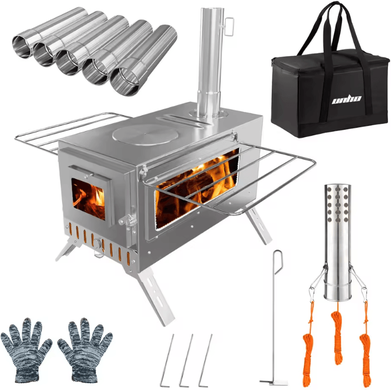
Inspire Curations Portable Hot Tent Wood Stove With Chimney Pipes For Outdoor Cooking & Heating Portable Hot Tent Wood Stove With Chimney Pipes For Outdoor Cooking & HeatingStay warm and cook with confidence wherever your adventure takes you. This portable wood stove is designed for outdoor enthusiasts who need reliable heat and cooking power in one compact setup. Built with durable materials and a complete chimney...380,50 $*Shipping: 0,00 $Secure redirect to the provider


-
Are plastic heating pipes as temperature-resistant as copper pipes?
Plastic heating pipes are generally not as temperature-resistant as copper pipes. While plastic pipes can withstand moderate temperatures, they may deform or melt at higher temperatures, leading to potential leaks or damage. Copper pipes, on the other hand, have a higher temperature resistance and are less likely to be affected by heat, making them a more durable option for heating systems. **
-
How do I replace old steel heating pipes with copper pipes?
To replace old steel heating pipes with copper pipes, you will first need to turn off the water supply to the heating system. Next, use a pipe cutter to remove the old steel pipes and clean the ends of the copper pipes that will be replacing them. Then, use soldering equipment to connect the copper pipes in place of the old steel pipes. Finally, test the new copper pipes for leaks before turning the water supply back on. It is recommended to consult a professional plumber if you are not experienced with this type of work. **
-
When do pipes freeze?
Pipes are most likely to freeze when the temperature drops below 20 degrees Fahrenheit. This is especially true for pipes that are located in unheated areas, such as basements, attics, or crawl spaces. Additionally, pipes that are located near exterior walls or in areas with poor insulation are also at a higher risk of freezing. It's important to take preventative measures, such as insulating pipes and allowing faucets to drip during extremely cold weather, to avoid frozen pipes and potential water damage. **
-
Are these lead pipes?
Yes, these are lead pipes. Lead pipes were commonly used in plumbing systems in older buildings, but they have since been phased out due to health concerns associated with lead exposure. It is important to have these pipes replaced with safer alternatives to ensure the health and safety of the occupants. **


Are those lead pipes?
Yes, those are lead pipes. Lead pipes were commonly used in plumbing systems in older buildings, but they are now known to be a health hazard due to the potential for lead leaching into the water supply. It is recommended to have lead pipes replaced with safer alternatives to avoid potential health risks. **
Why do pipes rust?
Pipes rust due to a chemical reaction between the metal in the pipes and oxygen in the air and water. This reaction, known as oxidation, causes the metal to break down and form iron oxide, which is the reddish-brown substance we commonly refer to as rust. Factors such as high levels of moisture, exposure to certain chemicals, and fluctuations in temperature can accelerate the rusting process. Over time, rust can weaken the pipes, leading to leaks and structural damage. Regular maintenance and protective coatings can help prevent rusting in pipes. **
Top-Angebote
Products related to Pipes:
-
Mid America CapMaster for Vent PipesThe Mid America CapMaster has an aesthetically pleasing and unobtrusive design that adds color and softens the look of your vent pipes. Use the vent pipe cover with any 3 or 4-inch vent pipes and with any roof pitch from 3/12 to 12/12. A smart...27,70 $*Shipping: 0,00 $Secure redirect to the provider
-
Which pipes for gas pipeline?
When choosing pipes for a gas pipeline, it is important to consider factors such as the type of gas being transported, the pressure and temperature requirements, and the environmental conditions of the pipeline route. Common materials used for gas pipelines include steel, ductile iron, and plastic (such as polyethylene). Steel pipes are often preferred for high-pressure gas pipelines, while plastic pipes are commonly used for low-pressure distribution lines. It is essential to consult with industry experts and adhere to relevant safety standards and regulations when selecting pipes for a gas pipeline. **
-
Are drainage pipes more stable than KG pipes?
Drainage pipes are typically more stable than KG pipes because they are designed to handle the weight of soil and water above them. Drainage pipes are usually made of materials such as PVC or corrugated metal, which are strong and durable. KG pipes, on the other hand, are typically used for non-pressure applications and may not be as sturdy as drainage pipes. Overall, drainage pipes are better suited for underground applications where stability and durability are important factors. **
-
Are plastic heating pipes as temperature-resistant as copper pipes?
Plastic heating pipes are generally not as temperature-resistant as copper pipes. While plastic pipes can withstand moderate temperatures, they may deform or melt at higher temperatures, leading to potential leaks or damage. Copper pipes, on the other hand, have a higher temperature resistance and are less likely to be affected by heat, making them a more durable option for heating systems. **
-
How do I replace old steel heating pipes with copper pipes?
To replace old steel heating pipes with copper pipes, you will first need to turn off the water supply to the heating system. Next, use a pipe cutter to remove the old steel pipes and clean the ends of the copper pipes that will be replacing them. Then, use soldering equipment to connect the copper pipes in place of the old steel pipes. Finally, test the new copper pipes for leaks before turning the water supply back on. It is recommended to consult a professional plumber if you are not experienced with this type of work. **
Similar search terms for Pipes
-
Inspire Curations Portable Hot Tent Wood Stove With Chimney Pipes For Outdoor Cooking & Heating Portable Hot Tent Wood Stove With Chimney Pipes For Outdoor Cooking & HeatingStay warm and cook with confidence wherever your adventure takes you. This portable wood stove is designed for outdoor enthusiasts who need reliable heat and cooking power in one compact setup. Built with durable materials and a complete chimney...380,50 $*Shipping: 0,00 $Secure redirect to the provider
-
Friendly Fresh Finds Colorful Bird Water Whistle Pipes Set Of Fun Toy For Kids Perfect Birthday Gift & Party Accessory Colorful Bird Water Whistle Pipes Set Of Fun Toy For Kids Perfect Birthday Gift & Party AccessoryLooking for a fun and unique way to delight kids at their next birthday party Our Colorful Bird Water Whistle Pipes are the perfect toy to bring joy and laughter to any occasion. Designed with vibrant colors and a playful bird whistle sound, these...31,97 $*Shipping: 0,00 $Secure redirect to the provider
-
When do pipes freeze?
Pipes are most likely to freeze when the temperature drops below 20 degrees Fahrenheit. This is especially true for pipes that are located in unheated areas, such as basements, attics, or crawl spaces. Additionally, pipes that are located near exterior walls or in areas with poor insulation are also at a higher risk of freezing. It's important to take preventative measures, such as insulating pipes and allowing faucets to drip during extremely cold weather, to avoid frozen pipes and potential water damage. **
-
Are these lead pipes?
Yes, these are lead pipes. Lead pipes were commonly used in plumbing systems in older buildings, but they have since been phased out due to health concerns associated with lead exposure. It is important to have these pipes replaced with safer alternatives to ensure the health and safety of the occupants. **
-
Are those lead pipes?
Yes, those are lead pipes. Lead pipes were commonly used in plumbing systems in older buildings, but they are now known to be a health hazard due to the potential for lead leaching into the water supply. It is recommended to have lead pipes replaced with safer alternatives to avoid potential health risks. **
-
Why do pipes rust?
Pipes rust due to a chemical reaction between the metal in the pipes and oxygen in the air and water. This reaction, known as oxidation, causes the metal to break down and form iron oxide, which is the reddish-brown substance we commonly refer to as rust. Factors such as high levels of moisture, exposure to certain chemicals, and fluctuations in temperature can accelerate the rusting process. Over time, rust can weaken the pipes, leading to leaks and structural damage. Regular maintenance and protective coatings can help prevent rusting in pipes. **
* All prices are inclusive of VAT and, if applicable, plus shipping costs. The offer information is based on the details provided by the respective shop and is updated through automated processes. Real-time updates do not occur, so deviations can occur in individual cases. ** Note: Parts of this content were created by AI.