Buy leadgeneration.eu ?
We are moving the project
leadgeneration.eu .
Are you interested in purchasing the domain
leadgeneration.eu ?
domain@kv-gmbh.de · 0541-91531010
Buy leadgeneration.eu ?
Can the lat pulldown also be performed standing up?
Yes, the lat pulldown exercise can also be performed standing up. This variation is known as the standing lat pulldown and can be done using a resistance band or cable machine. Standing while performing the lat pulldown can engage the core muscles more as they help stabilize the body during the movement. It can also provide a different challenge to the muscles compared to the traditional seated lat pulldown. **
Is doing lat pulldowns healthy?
Yes, doing lat pulldowns can be a healthy exercise when performed with proper form and technique. It helps to strengthen the muscles in the back, shoulders, and arms, which can improve posture and overall upper body strength. However, it's important to start with a weight that is manageable and gradually increase as strength improves to avoid injury. Additionally, it's important to listen to your body and stop if you experience any pain or discomfort. **

Similar search terms for LAT-3528-Women-s
Top-Angebote
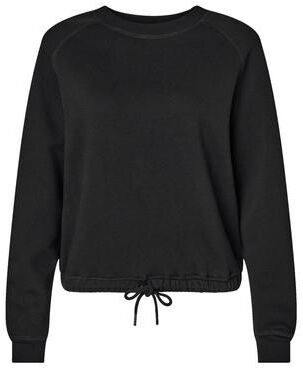
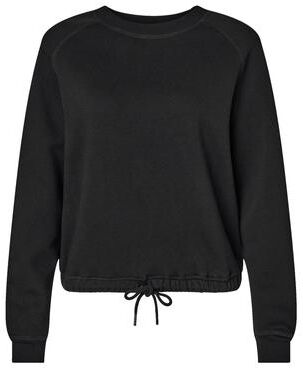
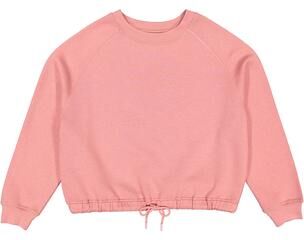
Products related to LAT-3528-Women-s:


-
Is a pull-up the same as a lat pulldown?
No, a pull-up and a lat pulldown are not the same exercises. A pull-up is a bodyweight exercise that involves pulling your body up to a bar using your arms and back muscles, while a lat pulldown is a machine exercise that involves pulling a bar down towards your chest using your arms and back muscles. Both exercises target the latissimus dorsi (lats) and other upper back muscles, but they are performed using different equipment and body positions. **
-
How do you pronounce "cui lat"?
"Cui lat" is pronounced as "kwee laht." The "cui" is pronounced with a "kw" sound, similar to the word "queen," and the "lat" is pronounced with a short "a" sound, like in the word "cat." **
-
What causes arm pain during lat pulldowns?
Arm pain during lat pulldowns can be caused by a few different factors. One common cause is using too much weight, which can put excessive strain on the muscles and tendons in the arms. Another potential cause is improper form, such as using the arms too much instead of engaging the back muscles. Additionally, pre-existing shoulder or elbow issues can also contribute to arm pain during lat pulldowns. It's important to ensure proper form, use an appropriate weight, and address any underlying muscle or joint issues to prevent arm pain during this exercise. **
-
How much weight for the lat pulldown?
The amount of weight for the lat pulldown exercise will vary depending on the individual's strength and fitness level. It is important to start with a weight that allows for proper form and technique, and then gradually increase the weight as strength improves. A good starting point is to choose a weight that allows for 8-12 repetitions with proper form, while still feeling challenging by the last few reps. It's important to listen to your body and adjust the weight as needed to ensure a safe and effective workout. **


How do you tear off the lat?
To tear off the lat, you can use a hammer and chisel to carefully break the lat away from the surface it is attached to. Start by creating a small hole or gap in the lat using the chisel, then continue to work your way along the edge, gradually prying the lat off. Be sure to work slowly and methodically to avoid damaging the underlying surface. **
How to perform the lat pulldown correctly?
To perform the lat pulldown correctly, start by sitting down on the machine with your knees secured under the pads. Grab the bar with a wide grip, palms facing forward. Pull the bar down towards your chest while keeping your back straight and engaging your lat muscles. Slowly release the bar back up to the starting position and repeat for the desired number of repetitions. Remember to use controlled movements and avoid using momentum to ensure proper form and maximize the effectiveness of the exercise. **
Top-Angebote
Products related to LAT-3528-Women-s:
-
Can the lat pulldown also be performed standing up?
Yes, the lat pulldown exercise can also be performed standing up. This variation is known as the standing lat pulldown and can be done using a resistance band or cable machine. Standing while performing the lat pulldown can engage the core muscles more as they help stabilize the body during the movement. It can also provide a different challenge to the muscles compared to the traditional seated lat pulldown. **
-
Is doing lat pulldowns healthy?
Yes, doing lat pulldowns can be a healthy exercise when performed with proper form and technique. It helps to strengthen the muscles in the back, shoulders, and arms, which can improve posture and overall upper body strength. However, it's important to start with a weight that is manageable and gradually increase as strength improves to avoid injury. Additionally, it's important to listen to your body and stop if you experience any pain or discomfort. **
-
Is a pull-up the same as a lat pulldown?
No, a pull-up and a lat pulldown are not the same exercises. A pull-up is a bodyweight exercise that involves pulling your body up to a bar using your arms and back muscles, while a lat pulldown is a machine exercise that involves pulling a bar down towards your chest using your arms and back muscles. Both exercises target the latissimus dorsi (lats) and other upper back muscles, but they are performed using different equipment and body positions. **
-
How do you pronounce "cui lat"?
"Cui lat" is pronounced as "kwee laht." The "cui" is pronounced with a "kw" sound, similar to the word "queen," and the "lat" is pronounced with a short "a" sound, like in the word "cat." **
Similar search terms for LAT-3528-Women-s
-
What causes arm pain during lat pulldowns?
Arm pain during lat pulldowns can be caused by a few different factors. One common cause is using too much weight, which can put excessive strain on the muscles and tendons in the arms. Another potential cause is improper form, such as using the arms too much instead of engaging the back muscles. Additionally, pre-existing shoulder or elbow issues can also contribute to arm pain during lat pulldowns. It's important to ensure proper form, use an appropriate weight, and address any underlying muscle or joint issues to prevent arm pain during this exercise. **
-
How much weight for the lat pulldown?
The amount of weight for the lat pulldown exercise will vary depending on the individual's strength and fitness level. It is important to start with a weight that allows for proper form and technique, and then gradually increase the weight as strength improves. A good starting point is to choose a weight that allows for 8-12 repetitions with proper form, while still feeling challenging by the last few reps. It's important to listen to your body and adjust the weight as needed to ensure a safe and effective workout. **
-
How do you tear off the lat?
To tear off the lat, you can use a hammer and chisel to carefully break the lat away from the surface it is attached to. Start by creating a small hole or gap in the lat using the chisel, then continue to work your way along the edge, gradually prying the lat off. Be sure to work slowly and methodically to avoid damaging the underlying surface. **
-
How to perform the lat pulldown correctly?
To perform the lat pulldown correctly, start by sitting down on the machine with your knees secured under the pads. Grab the bar with a wide grip, palms facing forward. Pull the bar down towards your chest while keeping your back straight and engaging your lat muscles. Slowly release the bar back up to the starting position and repeat for the desired number of repetitions. Remember to use controlled movements and avoid using momentum to ensure proper form and maximize the effectiveness of the exercise. **
* All prices are inclusive of VAT and, if applicable, plus shipping costs. The offer information is based on the details provided by the respective shop and is updated through automated processes. Real-time updates do not occur, so deviations can occur in individual cases. ** Note: Parts of this content were created by AI.