Buy leadgeneration.eu ?
We are moving the project
leadgeneration.eu .
Are you interested in purchasing the domain
leadgeneration.eu ?
domain@kv-gmbh.de · 0541-91531010
Buy leadgeneration.eu ?
Is Febi Bilstein a good brand for timing belt replacement?
Febi Bilstein is a reputable brand known for producing high-quality automotive parts, including timing belts. Their timing belts are designed to meet or exceed OEM specifications, making them a reliable choice for replacement. Customers have reported positive experiences with Febi Bilstein timing belts, citing their durability and performance. Overall, Febi Bilstein is considered a good brand for timing belt replacement due to their quality products and reputation in the automotive industry. **
For which engine is a turbocharger or supercharger conversion suitable?
A turbocharger or supercharger conversion is suitable for an engine that can handle the increased stress and heat generated by forced induction. Typically, engines with strong internal components, such as forged pistons and connecting rods, are better suited for turbocharger or supercharger conversions. Additionally, engines with a robust cooling system and fuel delivery system are also good candidates for forced induction upgrades. It is important to ensure that the engine is properly tuned and maintained to handle the additional power and stress from the turbocharger or supercharger. **

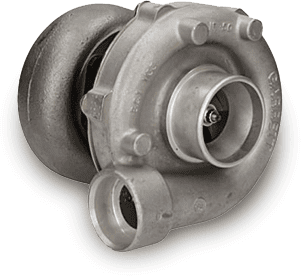
Similar search terms for FEBI-BILSTEIN-195425-Turbocharger
Top-Angebote
Products related to FEBI-BILSTEIN-195425-Turbocharger:
-
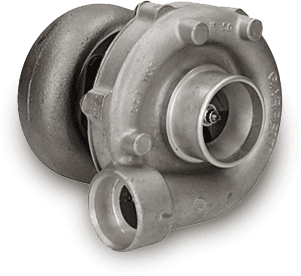
FEBI BILSTEIN 186696 TurbochargerManufacturer: BorgWarner; New Part: ; Charge Type: Exhaust Turbocharger; Additionally required parts: Mounting Kit, motor-specific oil supply lines (feed/return); Weight [kg]: 5,2; Observe service information:581,99 £*Shipping: 1,99 £Secure redirect to the provider
-
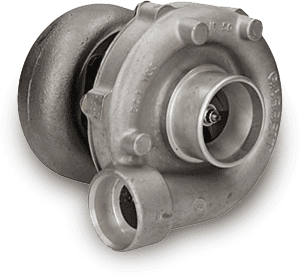
FEBI BILSTEIN 186806 TurbochargerManufacturer: BorgWarner; New Part: ; Charge Type: Exhaust Turbocharger; Additionally required parts: Mounting Kit, motor-specific oil supply lines (feed/return); Recommended additional repairs: Repair Kit; Weight [kg]: 7,0; Observe service information: ; TecDoc Engine Number: 22244, 26498869,99 £*Shipping: 1,99 £Secure redirect to the provider
-
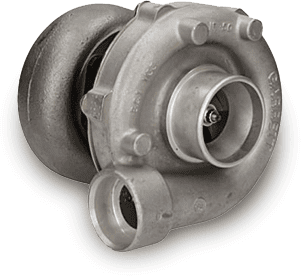
FEBI BILSTEIN 186913 TurbochargerPaired product: 186865; Manufacturer: Garrett; New Part: ; Charge Type: Exhaust Turbocharger; Additionally required parts: Mounting Kit; Fitting Position: Right; Weight [kg]: 6,7; Observe service information:1379,00 £*Shipping: 1,99 £Secure redirect to the provider
-
FEBI BILSTEIN 186958 TurbochargerManufacturer: Garrett; Exchange Part: ; Charge Type: Exhaust Turbocharger; Additionally required parts: Mounting Kit, motor-specific oil supply lines (feed/return); Weight [kg]: 8,31; Observe service information: ; TecDoc Engine Number: 20007, 20600, 23861, 27526806,99 £*Shipping: 1,99 £Secure redirect to the provider

-
Where is the turbocharger?
The turbocharger is typically located between the engine and the exhaust system. It is connected to the exhaust manifold and uses exhaust gases to spin a turbine, which in turn compresses air and forces it into the engine's intake manifold. This compressed air allows for more fuel to be burned, resulting in increased power and efficiency. **
-
Why does the turbocharger whistle after warming up?
The turbocharger whistles after warming up because the increased temperature causes the metal components to expand slightly, creating a tighter seal within the turbocharger. This tighter seal can lead to increased pressure and airflow, resulting in the characteristic whistling sound. Additionally, as the engine warms up, the turbocharger may spin faster, further contributing to the whistling noise. Overall, the combination of these factors results in the turbocharger whistling after warming up. **
-
What is an illegal turbocharger?
An illegal turbocharger is a turbocharger that has been modified or installed in a way that violates local laws or regulations. This could include using a turbocharger that exceeds the legal size or boost limits, or installing a turbocharger in a way that bypasses emissions controls. Illegal turbochargers can result in fines, vehicle impoundment, and other legal consequences. It's important to ensure that any modifications to a vehicle, including turbocharger installations, comply with local laws and regulations. **
-
How is the turbocharger lubricated?
The turbocharger is lubricated by the engine's oil system. The oil is supplied to the turbocharger through a dedicated oil feed line, which delivers pressurized oil to the bearings and other moving parts within the turbocharger. This lubrication helps reduce friction and heat, allowing the turbocharger to operate efficiently and reliably. It is important to use high-quality oil and to maintain proper oil levels and change intervals to ensure the turbocharger remains properly lubricated. **

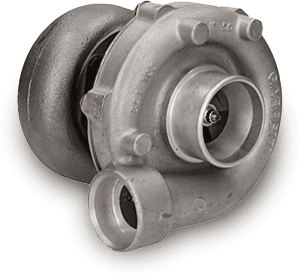
Why does a turbocharger whistle?
A turbocharger whistles due to the sound of the compressed air being forced through the turbine blades. As the exhaust gases from the engine spin the turbine, it creates a high-pitched whistling sound as the air is compressed and forced into the engine's intake system. This whistling sound is a result of the high-speed rotation of the turbine and the pressure of the compressed air, and it is a characteristic sound of turbocharged engines. **
Which BMW has a turbocharger?
Many BMW models are equipped with turbochargers, but one notable example is the BMW 3 Series. The 3 Series has been offered with turbocharged engines in various configurations, providing improved performance and fuel efficiency. The turbocharged engines in the 3 Series have helped to enhance the driving experience and maintain BMW's reputation for producing powerful and dynamic vehicles. **
Top-Angebote
Products related to FEBI-BILSTEIN-195425-Turbocharger:
-
FEBI BILSTEIN 186696 TurbochargerManufacturer: BorgWarner; New Part: ; Charge Type: Exhaust Turbocharger; Additionally required parts: Mounting Kit, motor-specific oil supply lines (feed/return); Weight [kg]: 5,2; Observe service information:581,99 £*Shipping: 1,99 £Secure redirect to the provider
-
FEBI BILSTEIN 186806 TurbochargerManufacturer: BorgWarner; New Part: ; Charge Type: Exhaust Turbocharger; Additionally required parts: Mounting Kit, motor-specific oil supply lines (feed/return); Recommended additional repairs: Repair Kit; Weight [kg]: 7,0; Observe service information: ; TecDoc Engine Number: 22244, 26498869,99 £*Shipping: 1,99 £Secure redirect to the provider
-
Is Febi Bilstein a good brand for timing belt replacement?
Febi Bilstein is a reputable brand known for producing high-quality automotive parts, including timing belts. Their timing belts are designed to meet or exceed OEM specifications, making them a reliable choice for replacement. Customers have reported positive experiences with Febi Bilstein timing belts, citing their durability and performance. Overall, Febi Bilstein is considered a good brand for timing belt replacement due to their quality products and reputation in the automotive industry. **
-
For which engine is a turbocharger or supercharger conversion suitable?
A turbocharger or supercharger conversion is suitable for an engine that can handle the increased stress and heat generated by forced induction. Typically, engines with strong internal components, such as forged pistons and connecting rods, are better suited for turbocharger or supercharger conversions. Additionally, engines with a robust cooling system and fuel delivery system are also good candidates for forced induction upgrades. It is important to ensure that the engine is properly tuned and maintained to handle the additional power and stress from the turbocharger or supercharger. **
-
Where is the turbocharger?
The turbocharger is typically located between the engine and the exhaust system. It is connected to the exhaust manifold and uses exhaust gases to spin a turbine, which in turn compresses air and forces it into the engine's intake manifold. This compressed air allows for more fuel to be burned, resulting in increased power and efficiency. **
-
Why does the turbocharger whistle after warming up?
The turbocharger whistles after warming up because the increased temperature causes the metal components to expand slightly, creating a tighter seal within the turbocharger. This tighter seal can lead to increased pressure and airflow, resulting in the characteristic whistling sound. Additionally, as the engine warms up, the turbocharger may spin faster, further contributing to the whistling noise. Overall, the combination of these factors results in the turbocharger whistling after warming up. **
Similar search terms for FEBI-BILSTEIN-195425-Turbocharger
-
FEBI BILSTEIN 186913 TurbochargerPaired product: 186865; Manufacturer: Garrett; New Part: ; Charge Type: Exhaust Turbocharger; Additionally required parts: Mounting Kit; Fitting Position: Right; Weight [kg]: 6,7; Observe service information:1379,00 £*Shipping: 1,99 £Secure redirect to the provider
-
FEBI BILSTEIN 186958 TurbochargerManufacturer: Garrett; Exchange Part: ; Charge Type: Exhaust Turbocharger; Additionally required parts: Mounting Kit, motor-specific oil supply lines (feed/return); Weight [kg]: 8,31; Observe service information: ; TecDoc Engine Number: 20007, 20600, 23861, 27526806,99 £*Shipping: 1,99 £Secure redirect to the provider
-
What is an illegal turbocharger?
An illegal turbocharger is a turbocharger that has been modified or installed in a way that violates local laws or regulations. This could include using a turbocharger that exceeds the legal size or boost limits, or installing a turbocharger in a way that bypasses emissions controls. Illegal turbochargers can result in fines, vehicle impoundment, and other legal consequences. It's important to ensure that any modifications to a vehicle, including turbocharger installations, comply with local laws and regulations. **
-
How is the turbocharger lubricated?
The turbocharger is lubricated by the engine's oil system. The oil is supplied to the turbocharger through a dedicated oil feed line, which delivers pressurized oil to the bearings and other moving parts within the turbocharger. This lubrication helps reduce friction and heat, allowing the turbocharger to operate efficiently and reliably. It is important to use high-quality oil and to maintain proper oil levels and change intervals to ensure the turbocharger remains properly lubricated. **
-
Why does a turbocharger whistle?
A turbocharger whistles due to the sound of the compressed air being forced through the turbine blades. As the exhaust gases from the engine spin the turbine, it creates a high-pitched whistling sound as the air is compressed and forced into the engine's intake system. This whistling sound is a result of the high-speed rotation of the turbine and the pressure of the compressed air, and it is a characteristic sound of turbocharged engines. **
-
Which BMW has a turbocharger?
Many BMW models are equipped with turbochargers, but one notable example is the BMW 3 Series. The 3 Series has been offered with turbocharged engines in various configurations, providing improved performance and fuel efficiency. The turbocharged engines in the 3 Series have helped to enhance the driving experience and maintain BMW's reputation for producing powerful and dynamic vehicles. **
* All prices are inclusive of VAT and, if applicable, plus shipping costs. The offer information is based on the details provided by the respective shop and is updated through automated processes. Real-time updates do not occur, so deviations can occur in individual cases. ** Note: Parts of this content were created by AI.