Buy leadgeneration.eu ?
We are moving the project
leadgeneration.eu .
Are you interested in purchasing the domain
leadgeneration.eu ?
domain@kv-gmbh.de · 0541-91531010
Buy leadgeneration.eu ?
How does a dilution scheme with a dilution factor work?
A dilution scheme with a dilution factor works by taking a small volume of a concentrated solution and adding a specific amount of solvent to it to decrease the concentration. The dilution factor is calculated by dividing the final volume of the diluted solution by the initial volume of the concentrated solution. By following the dilution scheme and dilution factor, one can accurately prepare solutions of desired concentrations for experiments or analyses. **
Can I dilute the 1:20 dilution with a 1:15 dilution to make a 1:100 dilution?
No, you cannot dilute a 1:20 dilution with a 1:15 dilution to make a 1:100 dilution. When you dilute a solution, you are decreasing the concentration of the solute in the solution. In order to make a 1:100 dilution, you would need to start with a more concentrated solution and dilute it accordingly. Mixing two different dilutions together will not result in a precise 1:100 dilution. **

Similar search terms for Dilution
Top-Angebote
Products related to Dilution:
-
Hodder Paperbacks Things We Hide From The Light: the Sunday Times bestseller and follow-up to TikTok sensation Things We Never Got Over (Knockemout Series)Police Chief Nash Morgan is known for two things: being a good guy and the way his uniform accentuates his rear end . . . But two bullets put a dent in his Southern charm and now he's facing a criminal still on the loose and a town full of citizens that consider the law more of a 'guideline'. The last thing he needs is the leggy, smart-mouthed Lina Solavita moving in next door, making him feel things he doesn't have the energy to feel. Lina is on a mission. As soon as she gets what she's after, she has no intention of sticking around. The town of Knockemout has other ideas. Soon she finds herself sucked into small-town life. Dog-sitting. Saying yes to a bridesmaid's dress. Listening to the sexy chief of police in the shower. But when Nash discovers Lina's secret these friends become furious enemies - though the sparks flying between them don't know the difference between love and hate.6,99 £*Shipping: 2,99 £Secure redirect to the provider



-
Is this a dilution line?
No, this is not a dilution line. Dilution lines are typically used in scientific experiments to show the relationship between the concentration of a substance and its effect. This image does not appear to represent a dilution line as it shows a graph with multiple data points and no clear dilution trend. **
-
What is a dilution task?
A dilution task is a type of cognitive task used in psychology and neuroscience research to measure attention and cognitive control. In a typical dilution task, participants are presented with a series of stimuli and are asked to respond to a target stimulus while ignoring distractors. The distractors are designed to be similar to the target stimulus, making it more challenging for participants to maintain focus and accurately respond. By measuring reaction times and accuracy on the task, researchers can assess an individual's ability to filter out irrelevant information and focus on the task at hand. **
-
What is a dilution series?
A dilution series is a set of solutions that are prepared by sequentially diluting a stock solution with a solvent, typically water. Each solution in the series has a lower concentration of the original solute than the previous one. Dilution series are commonly used in scientific experiments to create a range of concentrations for testing the effects of different concentrations of a substance. By diluting the original solution multiple times, researchers can create a gradient of concentrations to study the response of a system to varying levels of the solute. **
-
How do you calculate dilution?
To calculate dilution, you need to know the initial concentration of the solution and the final desired concentration. The formula for dilution is C1V1 = C2V2, where C1 is the initial concentration, V1 is the initial volume, C2 is the final concentration, and V2 is the final volume. By rearranging the formula, you can solve for the final volume or the initial volume needed to achieve the desired concentration. This calculation is commonly used in chemistry and biology when preparing solutions of a specific concentration. **


What does brand dilution mean?
Brand dilution refers to the weakening of a brand's identity and value due to over-expansion or the introduction of lower quality products or services under the same brand name. This can occur when a brand extends into too many different product categories, leading to a loss of focus and confusion among consumers. It can also happen when a brand's reputation is tarnished by offering subpar or inconsistent products or services. Brand dilution can ultimately lead to a loss of customer loyalty and a decline in the brand's overall market position. **
What does Ostwald's dilution law state?
Ostwald's dilution law states that the degree of dissociation of a weak electrolyte is directly proportional to the square root of its dilution. In other words, as the concentration of the solution decreases, the degree of dissociation of the weak electrolyte increases. This law is particularly applicable to weak acids and bases, and it helps to explain their behavior in dilute solutions. Ostwald's dilution law is an important concept in understanding the behavior of weak electrolytes in solution. **
Top-Angebote
Products related to Dilution:
-
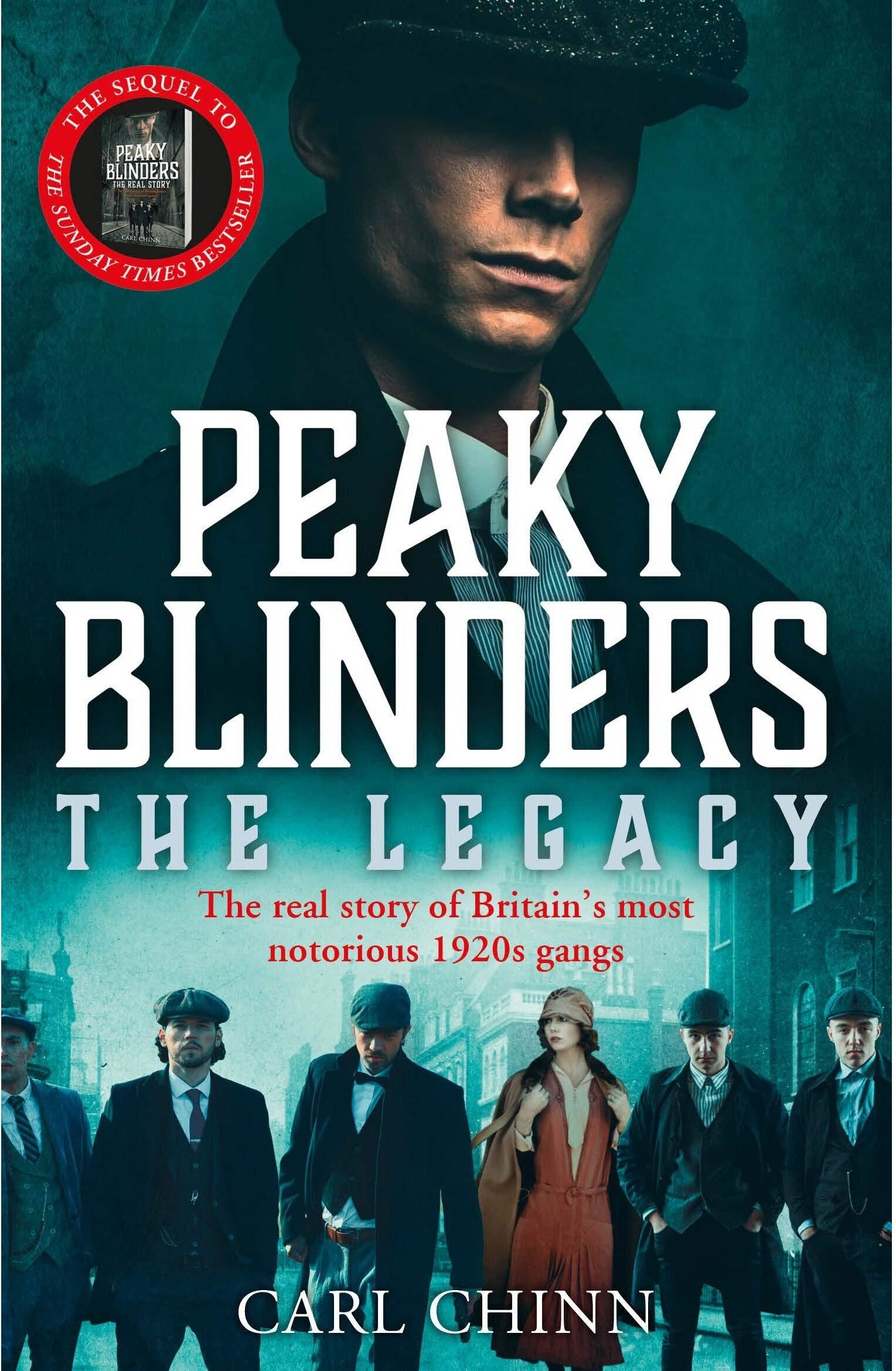
John Blake Peaky Blinders: The Legacy - The real story of Britains most notorious 1920s gangs: The follow-up to the Sunday Times BestsellerThe Peaky Blinders as we know them, thanks to the hit TV series, are infused with drama and dread. Fashionably dressed, the charismatic but deeply flawed Shelby family have become cult anti-heroes. Well-known social historian, broadcaster and author, Carl Chinn, revealed the true story of the notorious gang in his bestselling Peaky Blinders: The Real Story and now in this follow-up book, he explores the legacy they created in Birmingham and beyond. What happened to them and their gangland rivals? In Peaky Blinders: The Legacy we revisit the world of Billy Kimber's Peaky Blinders, exploring their legacy throughout the 1920s and 30s, and how their burgeoning empires spread across the UK. Delve into the street wars across the country, the impact of the declaration of War on Gangs by the Home Secretary after The Racecourse War in 1921, and how the blackmailing of bookmakers gave way to new and daring opportunities for the likes of Sabini, Alfie Solomon and some new faces in the murky gangland underworld. Drawing on Carl's inimitable research, interviews and original sources, find out just what happened to this incredible cast of characters, revealing the true legacy of the Peaky Blinders.3,99 £*Shipping: 1,99 £Secure redirect to the provider
-
Hodder Paperbacks Things We Hide From The Light: the Sunday Times bestseller and follow-up to TikTok sensation Things We Never Got Over (Knockemout Series)Police Chief Nash Morgan is known for two things: being a good guy and the way his uniform accentuates his rear end . . . But two bullets put a dent in his Southern charm and now he's facing a criminal still on the loose and a town full of citizens that consider the law more of a 'guideline'. The last thing he needs is the leggy, smart-mouthed Lina Solavita moving in next door, making him feel things he doesn't have the energy to feel. Lina is on a mission. As soon as she gets what she's after, she has no intention of sticking around. The town of Knockemout has other ideas. Soon she finds herself sucked into small-town life. Dog-sitting. Saying yes to a bridesmaid's dress. Listening to the sexy chief of police in the shower. But when Nash discovers Lina's secret these friends become furious enemies - though the sparks flying between them don't know the difference between love and hate.6,99 £*Shipping: 2,99 £Secure redirect to the provider
-
How does a dilution scheme with a dilution factor work?
A dilution scheme with a dilution factor works by taking a small volume of a concentrated solution and adding a specific amount of solvent to it to decrease the concentration. The dilution factor is calculated by dividing the final volume of the diluted solution by the initial volume of the concentrated solution. By following the dilution scheme and dilution factor, one can accurately prepare solutions of desired concentrations for experiments or analyses. **
-
Can I dilute the 1:20 dilution with a 1:15 dilution to make a 1:100 dilution?
No, you cannot dilute a 1:20 dilution with a 1:15 dilution to make a 1:100 dilution. When you dilute a solution, you are decreasing the concentration of the solute in the solution. In order to make a 1:100 dilution, you would need to start with a more concentrated solution and dilute it accordingly. Mixing two different dilutions together will not result in a precise 1:100 dilution. **
-
Is this a dilution line?
No, this is not a dilution line. Dilution lines are typically used in scientific experiments to show the relationship between the concentration of a substance and its effect. This image does not appear to represent a dilution line as it shows a graph with multiple data points and no clear dilution trend. **
-
What is a dilution task?
A dilution task is a type of cognitive task used in psychology and neuroscience research to measure attention and cognitive control. In a typical dilution task, participants are presented with a series of stimuli and are asked to respond to a target stimulus while ignoring distractors. The distractors are designed to be similar to the target stimulus, making it more challenging for participants to maintain focus and accurately respond. By measuring reaction times and accuracy on the task, researchers can assess an individual's ability to filter out irrelevant information and focus on the task at hand. **
Similar search terms for Dilution
-
Avon Hot And Hammered Series 3 Books Collection Set By Tessa Bailey (Fix Her Up, Love Her or Lose Her & Tools of Engagement)Hot And Hammered Series By Tessa Bailey 3 Books Collection Set: Description: Fix Her Up Georgette Castle’s family runs the best home renovation business in town, but she picked balloons instead of blueprints and they haven’t taken her seriously since. Frankly, she’s over it. Georgie loves planning children’s birthday parties and making people laugh, just not at her own expense. She’s determined to fix herself up into a Woman of the World... whatever that means. Love Her or Lose Her Rosie and Dominic Vega are the perfect couple: high school sweethearts, best friends, madly in love. Well, they used to be anyway. Now Rosie’s lucky to get a caveman grunt from the ex-soldier every time she walks in the door. Dom is faithful and a great provider, but the man she fell in love with ten years ago is nowhere to be found. When her girlfriends encourage Rosie to demand more out of life and pursue her dream of opening a restaurant, she decides to demand more out of love, too. Three words: marriage boot camp. Tools of Engagement Hair, makeup, clothing, decor... everything in Bethany Castle's world is organized, planned, and styled to perfection. Which is why the homes she designs for her family's real estate business are the most coveted in town. The only thing not perfect? Her track record with men. She's on a dating hiatus and after helping her friends achieve their dreams, Bethany finally has time to focus on her own: flip a house, from framework to furnishings, all by herself. Except her older brother runs the company and refuses to take her seriously.12,95 £*Shipping: 2,99 £Secure redirect to the provider
-
What is a dilution series?
A dilution series is a set of solutions that are prepared by sequentially diluting a stock solution with a solvent, typically water. Each solution in the series has a lower concentration of the original solute than the previous one. Dilution series are commonly used in scientific experiments to create a range of concentrations for testing the effects of different concentrations of a substance. By diluting the original solution multiple times, researchers can create a gradient of concentrations to study the response of a system to varying levels of the solute. **
-
How do you calculate dilution?
To calculate dilution, you need to know the initial concentration of the solution and the final desired concentration. The formula for dilution is C1V1 = C2V2, where C1 is the initial concentration, V1 is the initial volume, C2 is the final concentration, and V2 is the final volume. By rearranging the formula, you can solve for the final volume or the initial volume needed to achieve the desired concentration. This calculation is commonly used in chemistry and biology when preparing solutions of a specific concentration. **
-
What does brand dilution mean?
Brand dilution refers to the weakening of a brand's identity and value due to over-expansion or the introduction of lower quality products or services under the same brand name. This can occur when a brand extends into too many different product categories, leading to a loss of focus and confusion among consumers. It can also happen when a brand's reputation is tarnished by offering subpar or inconsistent products or services. Brand dilution can ultimately lead to a loss of customer loyalty and a decline in the brand's overall market position. **
-
What does Ostwald's dilution law state?
Ostwald's dilution law states that the degree of dissociation of a weak electrolyte is directly proportional to the square root of its dilution. In other words, as the concentration of the solution decreases, the degree of dissociation of the weak electrolyte increases. This law is particularly applicable to weak acids and bases, and it helps to explain their behavior in dilute solutions. Ostwald's dilution law is an important concept in understanding the behavior of weak electrolytes in solution. **
* All prices are inclusive of VAT and, if applicable, plus shipping costs. The offer information is based on the details provided by the respective shop and is updated through automated processes. Real-time updates do not occur, so deviations can occur in individual cases. ** Note: Parts of this content were created by AI.