Buy leadgeneration.eu ?
We are moving the project
leadgeneration.eu .
Are you interested in purchasing the domain
leadgeneration.eu ?
domain@kv-gmbh.de · 0541-91531010
Buy leadgeneration.eu ?
What are lipid biomembranes?
Lipid biomembranes are structures composed mainly of lipids that form the outer boundary of cells and organelles. These biomembranes are selectively permeable, allowing certain molecules to pass through while blocking others. They play a crucial role in maintaining the integrity and function of cells by regulating the transport of ions and molecules, as well as providing a platform for various cellular processes such as signaling and cell-cell interactions. Lipid biomembranes are dynamic structures that can change in composition and organization in response to environmental cues and cellular needs. **
What is the function of biomembranes?
Biomembranes serve several important functions in living organisms. They act as a barrier, separating the internal environment of the cell from the external environment, and controlling the movement of substances in and out of the cell. Biomembranes also play a role in cell recognition and communication, as they contain proteins and receptors that allow cells to interact with each other and with their environment. Additionally, biomembranes are involved in maintaining the structural integrity of cells and organelles. Overall, biomembranes are essential for the proper functioning and survival of cells and organisms. **


Similar search terms for Biomembranes
Top-Angebote
Products related to Biomembranes:
-
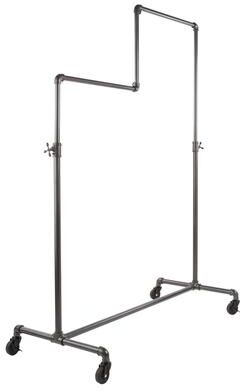
Econoco Vintage Pipeline Adjustable Rolling Garment Rack"42"" wide Hangrail - Adjusts from 44"" - 72"" in height. Base: 42-1/2""W x 23-3/8""D. Constructed of heavy duty 1 1/4"" diameter plumbing pipe in anthracite grey finish. Includes four 3"" casters, 2 locking, 2 non-locking."277,99 $*Shipping: 0,00 $Secure redirect to the provider
-
Econoco Pipeline Adjustable 2 Way Cross Bar Rack"Adjusts from 44"" - 72"" in height. Base: 21""W x 21""D with 13"" Faceouts. Constructed of heavy duty 1 1/4"" diameter plumbing pipe in anthracite grey finish. Includes four 2"" casters, 2 locking, 2 non-locking. The Pipeline collection is a uniquely..."236,99 $*Shipping: 0,00 $Secure redirect to the provider


-
What are the different functions of biomembranes?
Biomembranes serve several important functions in cells. They act as a barrier, regulating the passage of molecules in and out of the cell. They also provide structural support and shape to cells. Additionally, biomembranes play a crucial role in cell communication and signaling by containing receptors and other proteins that allow cells to interact with their environment. Lastly, biomembranes are involved in compartmentalization, separating different organelles within the cell and maintaining their distinct environments. **
-
How do transport processes occur through biomembranes?
Transport processes occur through biomembranes via various mechanisms such as passive diffusion, facilitated diffusion, and active transport. Passive diffusion involves the movement of small, non-polar molecules across the membrane down their concentration gradient. Facilitated diffusion involves the movement of larger or polar molecules with the help of transport proteins. Active transport, on the other hand, requires energy in the form of ATP to move molecules against their concentration gradient. These transport processes are essential for maintaining the internal environment of the cell and for the uptake of nutrients and removal of waste products. **
-
How are membrane proteins arranged in biomembranes?
Membrane proteins are arranged in biomembranes in various ways. Some proteins are embedded within the lipid bilayer, with portions of the protein extending into both the inner and outer layers of the membrane. Other proteins are attached to the membrane surface, either on the cytoplasmic side or the extracellular side. Additionally, some proteins span the entire membrane, with portions of the protein exposed on both sides. The specific arrangement of membrane proteins is crucial for their functions, such as transport, signaling, and cell recognition. **
-
How do transport processes occur at biomembranes?
Transport processes at biomembranes occur through various mechanisms such as passive diffusion, facilitated diffusion, and active transport. Passive diffusion involves the movement of molecules across the membrane down their concentration gradient, while facilitated diffusion involves the use of transport proteins to help molecules move across the membrane. Active transport requires the use of energy, usually in the form of ATP, to move molecules against their concentration gradient. These processes are essential for the uptake of nutrients, removal of waste products, and maintenance of cellular homeostasis. **


Why are biomembranes more impermeable to water?
Biomembranes are more impermeable to water due to the presence of hydrophobic lipid bilayers that form the structure of the membrane. The hydrophobic tails of the lipid molecules repel water, making it difficult for water molecules to pass through the membrane. Additionally, the presence of integral membrane proteins and cholesterol further restricts the movement of water molecules across the membrane. This selective permeability allows the cell to regulate the passage of water and other molecules, maintaining internal homeostasis. **
What are the difficulties in researching with biomembranes?
Researching with biomembranes presents several difficulties. Firstly, biomembranes are complex and dynamic structures, making it challenging to study their behavior and interactions with other molecules. Additionally, isolating and purifying biomembranes from living organisms can be technically demanding and time-consuming. Furthermore, biomembranes are sensitive to changes in their environment, so maintaining their natural structure and function in a laboratory setting can be difficult. Finally, the small size and fragility of biomembranes can make it challenging to manipulate and analyze them using traditional research techniques. **
Top-Angebote
Products related to Biomembranes:
-
L'Oreal 16 oz Mega Moisture Nurturing Creme 16 OzL'Oreal's Mega Moisture Nurturing Creme unique formula tames unruly hair with intense moisture, making it flexible, easy to manage and able to hold your style in place. It can be used for everyday conditioning or even longer, deep conditioning,...24,19 $*Shipping: 0,00 $Secure redirect to the provider
-
Uplifted Finds Predatory Engagement Wrestling Puppet Hub Predatory Engagement Wrestling Puppet HubTransform interactive play with the PredatoryEngagement Puppet, a professionalgrade interaction module engineered with manualsimulation logic. This highutility tool features a reinforced plush architecture and poseable limbs, specifically designed...85,97 $*Shipping: 0,00 $Secure redirect to the provider
-
Econoco Vintage Pipeline Adjustable Rolling Garment Rack"42"" wide Hangrail - Adjusts from 44"" - 72"" in height. Base: 42-1/2""W x 23-3/8""D. Constructed of heavy duty 1 1/4"" diameter plumbing pipe in anthracite grey finish. Includes four 3"" casters, 2 locking, 2 non-locking."277,99 $*Shipping: 0,00 $Secure redirect to the provider
-
Econoco Pipeline Adjustable 2 Way Cross Bar Rack"Adjusts from 44"" - 72"" in height. Base: 21""W x 21""D with 13"" Faceouts. Constructed of heavy duty 1 1/4"" diameter plumbing pipe in anthracite grey finish. Includes four 2"" casters, 2 locking, 2 non-locking. The Pipeline collection is a uniquely..."236,99 $*Shipping: 0,00 $Secure redirect to the provider
-
What are lipid biomembranes?
Lipid biomembranes are structures composed mainly of lipids that form the outer boundary of cells and organelles. These biomembranes are selectively permeable, allowing certain molecules to pass through while blocking others. They play a crucial role in maintaining the integrity and function of cells by regulating the transport of ions and molecules, as well as providing a platform for various cellular processes such as signaling and cell-cell interactions. Lipid biomembranes are dynamic structures that can change in composition and organization in response to environmental cues and cellular needs. **
-
What is the function of biomembranes?
Biomembranes serve several important functions in living organisms. They act as a barrier, separating the internal environment of the cell from the external environment, and controlling the movement of substances in and out of the cell. Biomembranes also play a role in cell recognition and communication, as they contain proteins and receptors that allow cells to interact with each other and with their environment. Additionally, biomembranes are involved in maintaining the structural integrity of cells and organelles. Overall, biomembranes are essential for the proper functioning and survival of cells and organisms. **
-
What are the different functions of biomembranes?
Biomembranes serve several important functions in cells. They act as a barrier, regulating the passage of molecules in and out of the cell. They also provide structural support and shape to cells. Additionally, biomembranes play a crucial role in cell communication and signaling by containing receptors and other proteins that allow cells to interact with their environment. Lastly, biomembranes are involved in compartmentalization, separating different organelles within the cell and maintaining their distinct environments. **
-
How do transport processes occur through biomembranes?
Transport processes occur through biomembranes via various mechanisms such as passive diffusion, facilitated diffusion, and active transport. Passive diffusion involves the movement of small, non-polar molecules across the membrane down their concentration gradient. Facilitated diffusion involves the movement of larger or polar molecules with the help of transport proteins. Active transport, on the other hand, requires energy in the form of ATP to move molecules against their concentration gradient. These transport processes are essential for maintaining the internal environment of the cell and for the uptake of nutrients and removal of waste products. **
Similar search terms for Biomembranes
-
John Blake Peaky Blinders: The Legacy - The real story of Britains most notorious 1920s gangs: The follow-up to the Sunday Times BestsellerThe Peaky Blinders as we know them, thanks to the hit TV series, are infused with drama and dread. Fashionably dressed, the charismatic but deeply flawed Shelby family have become cult anti-heroes. Well-known social historian, broadcaster and author, Carl Chinn, revealed the true story of the notorious gang in his bestselling Peaky Blinders: The Real Story and now in this follow-up book, he explores the legacy they created in Birmingham and beyond. What happened to them and their gangland rivals? In Peaky Blinders: The Legacy we revisit the world of Billy Kimber's Peaky Blinders, exploring their legacy throughout the 1920s and 30s, and how their burgeoning empires spread across the UK. Delve into the street wars across the country, the impact of the declaration of War on Gangs by the Home Secretary after The Racecourse War in 1921, and how the blackmailing of bookmakers gave way to new and daring opportunities for the likes of Sabini, Alfie Solomon and some new faces in the murky gangland underworld. Drawing on Carl's inimitable research, interviews and original sources, find out just what happened to this incredible cast of characters, revealing the true legacy of the Peaky Blinders.3,99 £*Shipping: 1,99 £Secure redirect to the provider
-
Econoco Pipeline Adjustable Double Bar Box Rack, Anthracite Grey"Base dimensions measure 48""L x 22""W. Hangrails measure approximately 60"" long and have a 1"" dia. Double hangrails adjust independently from approximately 53-1/2""H to 80""H. Base is constructed of 1-1/4"" dia. pipe."367,91 $*Shipping: 0,00 $Secure redirect to the provider
-
How are membrane proteins arranged in biomembranes?
Membrane proteins are arranged in biomembranes in various ways. Some proteins are embedded within the lipid bilayer, with portions of the protein extending into both the inner and outer layers of the membrane. Other proteins are attached to the membrane surface, either on the cytoplasmic side or the extracellular side. Additionally, some proteins span the entire membrane, with portions of the protein exposed on both sides. The specific arrangement of membrane proteins is crucial for their functions, such as transport, signaling, and cell recognition. **
-
How do transport processes occur at biomembranes?
Transport processes at biomembranes occur through various mechanisms such as passive diffusion, facilitated diffusion, and active transport. Passive diffusion involves the movement of molecules across the membrane down their concentration gradient, while facilitated diffusion involves the use of transport proteins to help molecules move across the membrane. Active transport requires the use of energy, usually in the form of ATP, to move molecules against their concentration gradient. These processes are essential for the uptake of nutrients, removal of waste products, and maintenance of cellular homeostasis. **
-
Why are biomembranes more impermeable to water?
Biomembranes are more impermeable to water due to the presence of hydrophobic lipid bilayers that form the structure of the membrane. The hydrophobic tails of the lipid molecules repel water, making it difficult for water molecules to pass through the membrane. Additionally, the presence of integral membrane proteins and cholesterol further restricts the movement of water molecules across the membrane. This selective permeability allows the cell to regulate the passage of water and other molecules, maintaining internal homeostasis. **
-
What are the difficulties in researching with biomembranes?
Researching with biomembranes presents several difficulties. Firstly, biomembranes are complex and dynamic structures, making it challenging to study their behavior and interactions with other molecules. Additionally, isolating and purifying biomembranes from living organisms can be technically demanding and time-consuming. Furthermore, biomembranes are sensitive to changes in their environment, so maintaining their natural structure and function in a laboratory setting can be difficult. Finally, the small size and fragility of biomembranes can make it challenging to manipulate and analyze them using traditional research techniques. **
* All prices are inclusive of VAT and, if applicable, plus shipping costs. The offer information is based on the details provided by the respective shop and is updated through automated processes. Real-time updates do not occur, so deviations can occur in individual cases. ** Note: Parts of this content were created by AI.