Buy leadgeneration.eu ?
We are moving the project
leadgeneration.eu .
Are you interested in purchasing the domain
leadgeneration.eu ?
domain@kv-gmbh.de · 0541-91531010
Buy leadgeneration.eu ?
What exactly does the gasoline turbocharger bring compared to 100 PS and 100 Turbo PS?
A gasoline turbocharger brings increased power and torque compared to a non-turbocharged engine with the same power output. This means that a 100 PS turbocharged engine will have more power and better acceleration compared to a non-turbocharged 100 PS engine. The turbocharger increases the efficiency of the engine by forcing more air into the combustion chamber, resulting in more power without the need for a larger, heavier engine. Overall, the gasoline turbocharger provides better performance and improved driving experience compared to a non-turbocharged engine with the same power output. **
For which engine is a turbocharger or supercharger conversion suitable?
A turbocharger or supercharger conversion is suitable for an engine that can handle the increased stress and heat generated by forced induction. Typically, engines with strong internal components, such as forged pistons and connecting rods, are better suited for turbocharger or supercharger conversions. Additionally, engines with a robust cooling system and fuel delivery system are also good candidates for forced induction upgrades. It is important to ensure that the engine is properly tuned and maintained to handle the additional power and stress from the turbocharger or supercharger. **


Similar search terms for BTS-TURBO-T981720-Turbocharger
Top-Angebote
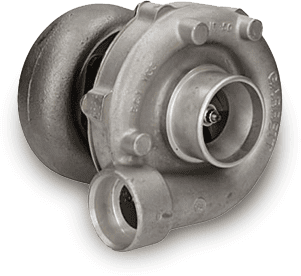
Products related to BTS-TURBO-T981720-Turbocharger:
-
BTS TURBO T914537BL TurbochargerCharge Type: Exhaust Turbocharger; Exchange Part: ; for current market value repairs: ; Supplementary Info: REMAN; TecDoc Engine Number: 24785, 22403, 31425; Emissions Standard: Euro 4 (D4); Construction Year to: 10/2009; Construction Year from: 10/2009406,99 £*Shipping: 1,99 £Secure redirect to the provider
-
BTS TURBO T981076 TurbochargerCharge Type: Exhaust Turbocharger; Supplementary Article / Supplementary Info: with attachment/mounting material, with oil supply line, with oil drain line; Quality: ORIGINAL; Supplementary Article / Supplementary Info Info 2: with mounting manual; Product line: TURBO SERVICE SET ORIGINAL; TecDoc Engine Number: 17025, 16862, 17080, 17027, 17357, 17500, 18135, 18543, 18225832,99 £*Shipping: 1,99 £Secure redirect to the provider



-
Should I use an upgraded turbocharger or install a regular turbocharger in a BMW 120d with Stage 1 Turbo that is making noise and needs to be replaced at 200,000 km?
If your BMW 120d with Stage 1 Turbo is making noise and needs to be replaced at 200,000 km, it may be a good idea to consider upgrading to an aftermarket or upgraded turbocharger. Upgraded turbochargers are designed to handle higher levels of boost and provide better performance compared to regular turbochargers. However, it's important to consider the cost, compatibility, and potential modifications needed when upgrading to a higher performance turbocharger. Consulting with a professional mechanic or performance specialist can help you make an informed decision based on your specific needs and budget. **
-
Where is the turbocharger?
The turbocharger is typically located between the engine and the exhaust system. It is connected to the exhaust manifold and uses exhaust gases to spin a turbine, which in turn compresses air and forces it into the engine's intake manifold. This compressed air allows for more fuel to be burned, resulting in increased power and efficiency. **
-
Why does the turbocharger whistle after warming up?
The turbocharger whistles after warming up because the increased temperature causes the metal components to expand slightly, creating a tighter seal within the turbocharger. This tighter seal can lead to increased pressure and airflow, resulting in the characteristic whistling sound. Additionally, as the engine warms up, the turbocharger may spin faster, further contributing to the whistling noise. Overall, the combination of these factors results in the turbocharger whistling after warming up. **
-
For which engine is a turbo or supercharger conversion suitable?
A turbo or supercharger conversion is suitable for an engine that has the capacity to handle increased air and fuel intake. This typically includes engines with a strong internal structure and components, such as forged pistons, stronger connecting rods, and reinforced crankshafts. Additionally, the engine should have a well-designed cooling system to handle the increased heat generated by forced induction. Overall, a turbo or supercharger conversion is best suited for engines that are built to handle the additional stress and power output. **


Can I follow BTS on Werverse?
Yes, you can follow BTS on Weverse. Weverse is a social media platform created by the company behind BTS, Big Hit Entertainment, and it is used by BTS and other artists to interact with their fans. You can download the Weverse app and follow BTS to stay updated on their latest posts, photos, and videos, as well as interact with other fans in the community. **
Could one install a used turbocharger in the exhaust system before the central silencer in order to achieve the typical turbo sound?
No, installing a used turbocharger in the exhaust system before the central silencer will not achieve the typical turbo sound. The sound of a turbocharger comes from the turbine spinning and compressing air, which creates a distinct noise. Placing a used turbocharger in the exhaust system before the central silencer will not replicate this sound as the exhaust gases will not be passing through the turbocharger in the correct manner to create the desired noise. Additionally, modifying the exhaust system in this way may lead to other issues such as decreased performance and potential damage to the engine. **
Top-Angebote
Products related to BTS-TURBO-T981720-Turbocharger:
-
BTS TURBO T914537BL TurbochargerCharge Type: Exhaust Turbocharger; Exchange Part: ; for current market value repairs: ; Supplementary Info: REMAN; TecDoc Engine Number: 24785, 22403, 31425; Emissions Standard: Euro 4 (D4); Construction Year to: 10/2009; Construction Year from: 10/2009406,99 £*Shipping: 1,99 £Secure redirect to the provider
-
What exactly does the gasoline turbocharger bring compared to 100 PS and 100 Turbo PS?
A gasoline turbocharger brings increased power and torque compared to a non-turbocharged engine with the same power output. This means that a 100 PS turbocharged engine will have more power and better acceleration compared to a non-turbocharged 100 PS engine. The turbocharger increases the efficiency of the engine by forcing more air into the combustion chamber, resulting in more power without the need for a larger, heavier engine. Overall, the gasoline turbocharger provides better performance and improved driving experience compared to a non-turbocharged engine with the same power output. **
-
For which engine is a turbocharger or supercharger conversion suitable?
A turbocharger or supercharger conversion is suitable for an engine that can handle the increased stress and heat generated by forced induction. Typically, engines with strong internal components, such as forged pistons and connecting rods, are better suited for turbocharger or supercharger conversions. Additionally, engines with a robust cooling system and fuel delivery system are also good candidates for forced induction upgrades. It is important to ensure that the engine is properly tuned and maintained to handle the additional power and stress from the turbocharger or supercharger. **
-
Should I use an upgraded turbocharger or install a regular turbocharger in a BMW 120d with Stage 1 Turbo that is making noise and needs to be replaced at 200,000 km?
If your BMW 120d with Stage 1 Turbo is making noise and needs to be replaced at 200,000 km, it may be a good idea to consider upgrading to an aftermarket or upgraded turbocharger. Upgraded turbochargers are designed to handle higher levels of boost and provide better performance compared to regular turbochargers. However, it's important to consider the cost, compatibility, and potential modifications needed when upgrading to a higher performance turbocharger. Consulting with a professional mechanic or performance specialist can help you make an informed decision based on your specific needs and budget. **
-
Where is the turbocharger?
The turbocharger is typically located between the engine and the exhaust system. It is connected to the exhaust manifold and uses exhaust gases to spin a turbine, which in turn compresses air and forces it into the engine's intake manifold. This compressed air allows for more fuel to be burned, resulting in increased power and efficiency. **
Similar search terms for BTS-TURBO-T981720-Turbocharger
-
BTS TURBO T981076 TurbochargerCharge Type: Exhaust Turbocharger; Supplementary Article / Supplementary Info: with attachment/mounting material, with oil supply line, with oil drain line; Quality: ORIGINAL; Supplementary Article / Supplementary Info Info 2: with mounting manual; Product line: TURBO SERVICE SET ORIGINAL; TecDoc Engine Number: 17025, 16862, 17080, 17027, 17357, 17500, 18135, 18543, 18225832,99 £*Shipping: 1,99 £Secure redirect to the provider
-
BTS TURBO T981104 TurbochargerCharge Type: Exhaust Turbocharger; Supplementary Article / Supplementary Info: with attachment/mounting material, with oil supply line, with oil drain line; Quality: ORIGINAL; Product line: TURBO SERVICE SET ORIGINAL; TecDoc Engine Number: 149241399,00 £*Shipping: 1,99 £Secure redirect to the provider
-
BTS TURBO T981178 TurbochargerCharge Type: Exhaust Turbocharger; Supplementary Article / Supplementary Info: with oil supply line, with oil drain line, with attachment/mounting material; Quality: ORIGINAL; Product line: TURBO SERVICE SET ORIGINAL; TecDoc Engine Number: 5076, 17905, 9364, 13278993,99 £*Shipping: 1,99 £Secure redirect to the provider
-
Why does the turbocharger whistle after warming up?
The turbocharger whistles after warming up because the increased temperature causes the metal components to expand slightly, creating a tighter seal within the turbocharger. This tighter seal can lead to increased pressure and airflow, resulting in the characteristic whistling sound. Additionally, as the engine warms up, the turbocharger may spin faster, further contributing to the whistling noise. Overall, the combination of these factors results in the turbocharger whistling after warming up. **
-
For which engine is a turbo or supercharger conversion suitable?
A turbo or supercharger conversion is suitable for an engine that has the capacity to handle increased air and fuel intake. This typically includes engines with a strong internal structure and components, such as forged pistons, stronger connecting rods, and reinforced crankshafts. Additionally, the engine should have a well-designed cooling system to handle the increased heat generated by forced induction. Overall, a turbo or supercharger conversion is best suited for engines that are built to handle the additional stress and power output. **
-
Can I follow BTS on Werverse?
Yes, you can follow BTS on Weverse. Weverse is a social media platform created by the company behind BTS, Big Hit Entertainment, and it is used by BTS and other artists to interact with their fans. You can download the Weverse app and follow BTS to stay updated on their latest posts, photos, and videos, as well as interact with other fans in the community. **
-
Could one install a used turbocharger in the exhaust system before the central silencer in order to achieve the typical turbo sound?
No, installing a used turbocharger in the exhaust system before the central silencer will not achieve the typical turbo sound. The sound of a turbocharger comes from the turbine spinning and compressing air, which creates a distinct noise. Placing a used turbocharger in the exhaust system before the central silencer will not replicate this sound as the exhaust gases will not be passing through the turbocharger in the correct manner to create the desired noise. Additionally, modifying the exhaust system in this way may lead to other issues such as decreased performance and potential damage to the engine. **
* All prices are inclusive of VAT and, if applicable, plus shipping costs. The offer information is based on the details provided by the respective shop and is updated through automated processes. Real-time updates do not occur, so deviations can occur in individual cases. ** Note: Parts of this content were created by AI.