Buy leadgeneration.eu ?
We are moving the project
leadgeneration.eu .
Are you interested in purchasing the domain
leadgeneration.eu ?
domain@kv-gmbh.de · 0541-91531010
Buy leadgeneration.eu ?
What are power banks used for voltage conversion?
Power banks are used for voltage conversion to provide a stable and consistent power supply to electronic devices such as smartphones, tablets, and laptops. They take the input voltage from a power source, such as a wall outlet or USB port, and convert it to the appropriate output voltage needed to charge the device. This ensures that the device receives the correct amount of power to charge efficiently and safely. Additionally, power banks can also provide voltage conversion to support different types of devices with varying voltage requirements. **
Do you follow the power tower convention?
Yes, I follow the power tower convention, which involves evaluating expressions with exponents from the top down. This convention helps ensure the correct order of operations when dealing with multiple exponents in a single expression. By following the power tower convention, I can simplify complex exponential expressions accurately and efficiently. **


Similar search terms for Power
Top-Angebote
Products related to Power:
-
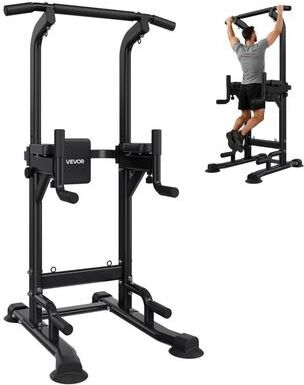
Tools, Home & Hobby 330 LBS Adjustable Pull Up Bar Power Tower Dip Station For Home Gym 330 LBS Adjustable Pull Up Bar Power Tower Dip Station For Home GymTransform your home workouts with a powerful fitness station designed to help you build strength, improve flexibility, and train multiple muscle groups. This adjustable pull up bar and dip station combines versatile exercises with a sturdy design,...287,97 $*Shipping: 0,00 $Secure redirect to the provider



-
How does energy conversion work in hydroelectric power plants?
In hydroelectric power plants, energy conversion works by harnessing the potential energy of water stored in a reservoir. When the water is released, it flows through turbines, causing them to spin. The spinning turbines then convert the kinetic energy of the flowing water into mechanical energy. This mechanical energy is further converted into electrical energy by a generator connected to the turbines, producing electricity that can be distributed to homes and businesses. **
-
How is the energy conversion in gas power plants and solar power plants carried out?
In gas power plants, the energy conversion process begins with the combustion of natural gas to produce high-temperature and high-pressure gas. This gas is then used to spin a turbine, which is connected to a generator to produce electricity. In solar power plants, energy conversion occurs when sunlight is captured by solar panels, which then convert the sunlight into direct current (DC) electricity. This electricity is then converted into alternating current (AC) electricity using inverters, and then it is sent to the grid for distribution. Both gas and solar power plants ultimately convert their respective energy sources into electricity for use in homes, businesses, and industries. **
-
How does the energy conversion work in hydroelectric power plants?
In hydroelectric power plants, the energy conversion process begins with the potential energy stored in water at a higher elevation. This potential energy is converted into kinetic energy as the water flows downhill through turbines. The turbines are connected to generators, which then convert the kinetic energy into electrical energy. This electrical energy is then transmitted through power lines to homes and businesses for use. **
-
How does energy conversion work in a nuclear power plant?
In a nuclear power plant, energy conversion works through a process called nuclear fission. This involves splitting atoms of uranium in a controlled manner, which releases a large amount of heat energy. This heat is used to generate steam from water, which then drives turbines connected to generators to produce electricity. The electricity generated is then distributed to power grids for use by consumers. **
What is the energy conversion chain for tidal power plants?
Tidal power plants harness the energy of the tides to generate electricity. The energy conversion chain for tidal power plants begins with the kinetic energy of the moving tides, which is then converted into mechanical energy through the use of turbines. These turbines are connected to generators, which then convert the mechanical energy into electrical energy. The electrical energy is then transmitted through power lines to be used by homes and businesses. This process allows for the renewable and sustainable generation of electricity from the natural movement of the tides. **
How to determine the conversion factor for the radiator's heating power?
To determine the conversion factor for a radiator's heating power, you can use the formula: 1 watt = 3.412 BTU/h (British Thermal Units per hour). This conversion factor allows you to convert the heating power of the radiator from watts to BTU/h or vice versa. By using this conversion factor, you can accurately compare the heating power of different radiators and choose the most suitable one for your needs. **
Top-Angebote
Products related to Power:
-
Lazerbuilt Rick and Morty Light-Up Power Bank 10,000mAhCharge on the move with style thanks to the Lazerbuilt Rick and Morty Light-Up Power Bank, a black portable charger shaped like Rick's illuminated head. This 10,000mAh battery pack combines practical charging power with the quirky aesthetic of the hit animated series, making it instantly recognisable whether sitting on a desk or tucked in a bag. With enough capacity to recharge most smartphones up to four times, the power bank suits fans of the show who want both function and flair. The LCD display tracks power levels, dual USB-A ports let you charge two devices simultaneously, and USB-C plus Micro-USB inputs give you flexible recharging options. A USB-A to USB-C charging cable is included, so you're ready to go straight out of the box. • Light-Up Design: Rick's head lights up during charging, adding some "wubba lubba dub-dub" to your day. • High-Capacity Battery: 10,000 mAh capacity keeps your devices going, capable of delivering up to four full smartphone charges. • Dual-Device Charging: Two USB-A ports let you power two devices at once without choosing which one needs juice first. • Power-Level Visibility: An LCD display indicates power level so you know exactly how much charge remains. • Flexible Input Ports: USB-C and Micro-USB inputs mean you can recharge using cables you already own. • Button-Controlled Lighting: Control the light-up effect with a dedicated button to turn the glow on or off whenever you like. • Compact and Portable: At 6.8cm long and weighing just 222g, this power bank slips easily into bags, pockets, or backpacks for charging on the go.25,49 £*Shipping: 0,00 £Secure redirect to the provider
-
What are power banks used for voltage conversion?
Power banks are used for voltage conversion to provide a stable and consistent power supply to electronic devices such as smartphones, tablets, and laptops. They take the input voltage from a power source, such as a wall outlet or USB port, and convert it to the appropriate output voltage needed to charge the device. This ensures that the device receives the correct amount of power to charge efficiently and safely. Additionally, power banks can also provide voltage conversion to support different types of devices with varying voltage requirements. **
-
Do you follow the power tower convention?
Yes, I follow the power tower convention, which involves evaluating expressions with exponents from the top down. This convention helps ensure the correct order of operations when dealing with multiple exponents in a single expression. By following the power tower convention, I can simplify complex exponential expressions accurately and efficiently. **
-
How does energy conversion work in hydroelectric power plants?
In hydroelectric power plants, energy conversion works by harnessing the potential energy of water stored in a reservoir. When the water is released, it flows through turbines, causing them to spin. The spinning turbines then convert the kinetic energy of the flowing water into mechanical energy. This mechanical energy is further converted into electrical energy by a generator connected to the turbines, producing electricity that can be distributed to homes and businesses. **
-
How is the energy conversion in gas power plants and solar power plants carried out?
In gas power plants, the energy conversion process begins with the combustion of natural gas to produce high-temperature and high-pressure gas. This gas is then used to spin a turbine, which is connected to a generator to produce electricity. In solar power plants, energy conversion occurs when sunlight is captured by solar panels, which then convert the sunlight into direct current (DC) electricity. This electricity is then converted into alternating current (AC) electricity using inverters, and then it is sent to the grid for distribution. Both gas and solar power plants ultimately convert their respective energy sources into electricity for use in homes, businesses, and industries. **
Similar search terms for Power
-
Tools, Home & Hobby 330 LBS Adjustable Pull Up Bar Power Tower Dip Station For Home Gym 330 LBS Adjustable Pull Up Bar Power Tower Dip Station For Home GymTransform your home workouts with a powerful fitness station designed to help you build strength, improve flexibility, and train multiple muscle groups. This adjustable pull up bar and dip station combines versatile exercises with a sturdy design,...287,97 $*Shipping: 0,00 $Secure redirect to the provider
-
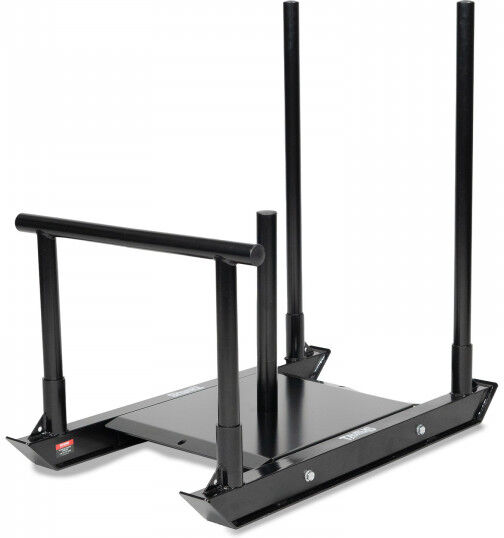
Taurus Power SledWith the rise in functional fitness, the Taurus Power Sled is the perfect fit for users looking for a robust training tool to build explosive strength. The Taurus Power Sled comes with two handle types to vary your training focus and features a carabiner attachment point for more exercise...179,10 £*Shipping: 0,00 £Secure redirect to the provider
-
How does the energy conversion work in hydroelectric power plants?
In hydroelectric power plants, the energy conversion process begins with the potential energy stored in water at a higher elevation. This potential energy is converted into kinetic energy as the water flows downhill through turbines. The turbines are connected to generators, which then convert the kinetic energy into electrical energy. This electrical energy is then transmitted through power lines to homes and businesses for use. **
-
How does energy conversion work in a nuclear power plant?
In a nuclear power plant, energy conversion works through a process called nuclear fission. This involves splitting atoms of uranium in a controlled manner, which releases a large amount of heat energy. This heat is used to generate steam from water, which then drives turbines connected to generators to produce electricity. The electricity generated is then distributed to power grids for use by consumers. **
-
What is the energy conversion chain for tidal power plants?
Tidal power plants harness the energy of the tides to generate electricity. The energy conversion chain for tidal power plants begins with the kinetic energy of the moving tides, which is then converted into mechanical energy through the use of turbines. These turbines are connected to generators, which then convert the mechanical energy into electrical energy. The electrical energy is then transmitted through power lines to be used by homes and businesses. This process allows for the renewable and sustainable generation of electricity from the natural movement of the tides. **
-
How to determine the conversion factor for the radiator's heating power?
To determine the conversion factor for a radiator's heating power, you can use the formula: 1 watt = 3.412 BTU/h (British Thermal Units per hour). This conversion factor allows you to convert the heating power of the radiator from watts to BTU/h or vice versa. By using this conversion factor, you can accurately compare the heating power of different radiators and choose the most suitable one for your needs. **
* All prices are inclusive of VAT and, if applicable, plus shipping costs. The offer information is based on the details provided by the respective shop and is updated through automated processes. Real-time updates do not occur, so deviations can occur in individual cases. ** Note: Parts of this content were created by AI.